
Bathrooms, laundries and other wet areas are some of the most demanding spaces in any property. For people researching tiles, whether they are searching tiles near me online or exploring Gold Coast stores, performance in humid conditions is often a deciding factor. Daily exposure to moisture, steam and temperature changes places constant pressure on surfaces, making tile selection a practical decision rather than a purely visual one. Tiles play a central role in how these areas function, influencing safety, durability, hygiene and long term maintenance.
In humid environments, tiles need to do more than look good. They must resist water absorption, provide stable footing underfoot and maintain their finish despite regular cleaning and ongoing moisture exposure. Understanding how different tile materials, finishes and installation choices perform in wet areas helps create spaces that remain comfortable, functional and visually balanced over time.
Why Humidity & Moisture Affect Tile Performance
Humidity changes how materials behave over time. In wet areas, moisture does not disappear once water is wiped away. Steam lingers in the air, settles on surfaces and gradually works its way into joints, grout and porous materials. Without suitable tiles, this environment can lead to staining, mould growth and surface deterioration.
Tiles selected for humid conditions should support:
- Low Water Absorption & Reduced Porosity
- Structural Stability & Resistance To Movement
- Safe Footing & Consistent Surface Grip
- Long Term Appearance & Finish Integrity
Understanding these factors early helps avoid issues that often appear long after installation. Performance under moisture exposure should always be a priority when selecting tiles for bathrooms and other wet spaces.
Porcelain Tiles & Long Term Wet Area Reliability
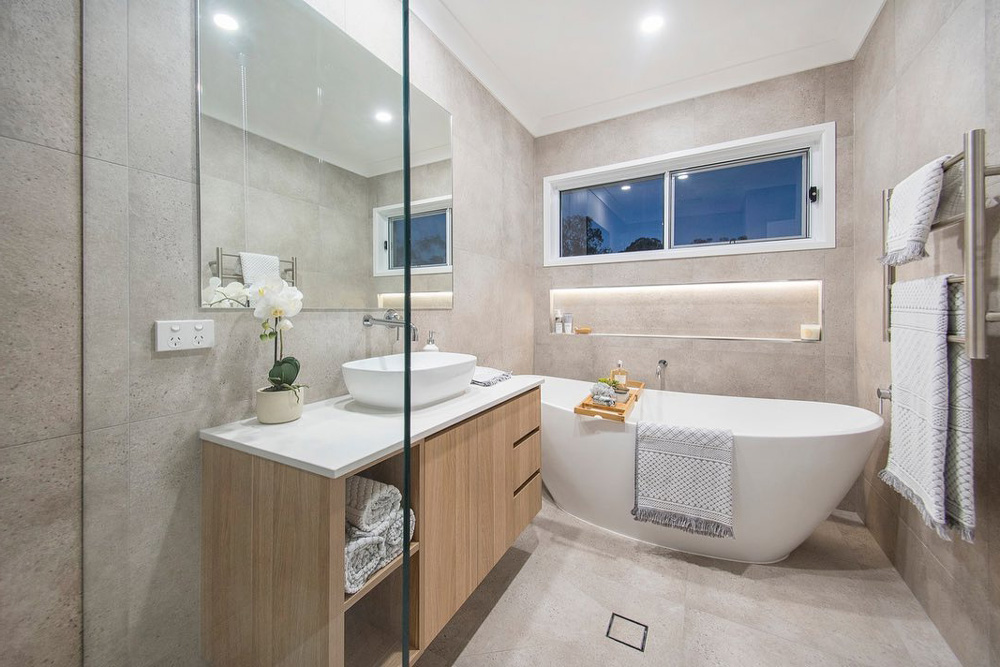
Porcelain tiles are widely used in wet areas due to their density and very low water absorption rate. Manufactured from refined clays and fired at extremely high temperatures, porcelain tiles form a vitrified structure that limits moisture penetration and supports long term durability.
Key characteristics include:
- High Density & Minimal Moisture Absorption
- Suitable For Floors & Walls
- Strong Resistance To Wear & Impact
Porcelain tiles perform well in environments where humidity is constant. Their strength makes them suitable for floors that experience regular foot traffic, while their low porosity reduces the risk of staining and moisture related damage. This balance of durability and practicality makes porcelain a common choice for bathrooms, laundries and similar spaces.
Ceramic Tiles & Practical Applications
Ceramic tiles remain a popular option, particularly for walls in wet areas. They are typically finished with a glaze that creates a non porous surface, helping repel water and simplify routine cleaning. While ceramic tiles are generally less dense than porcelain, they still offer reliable performance when used in appropriate locations.
Practical benefits include:
- Glazed Surfaces & Easier Maintenance
- Wide Range Of Colours & Design Options
- Suitable For Walls & Low Impact Areas
Ceramic tiles are often used alongside porcelain floor tiles, allowing a combination of strength and visual flexibility. When installed correctly, they contribute to a cohesive and practical wet area design.
Slip Resistance & Everyday Safety
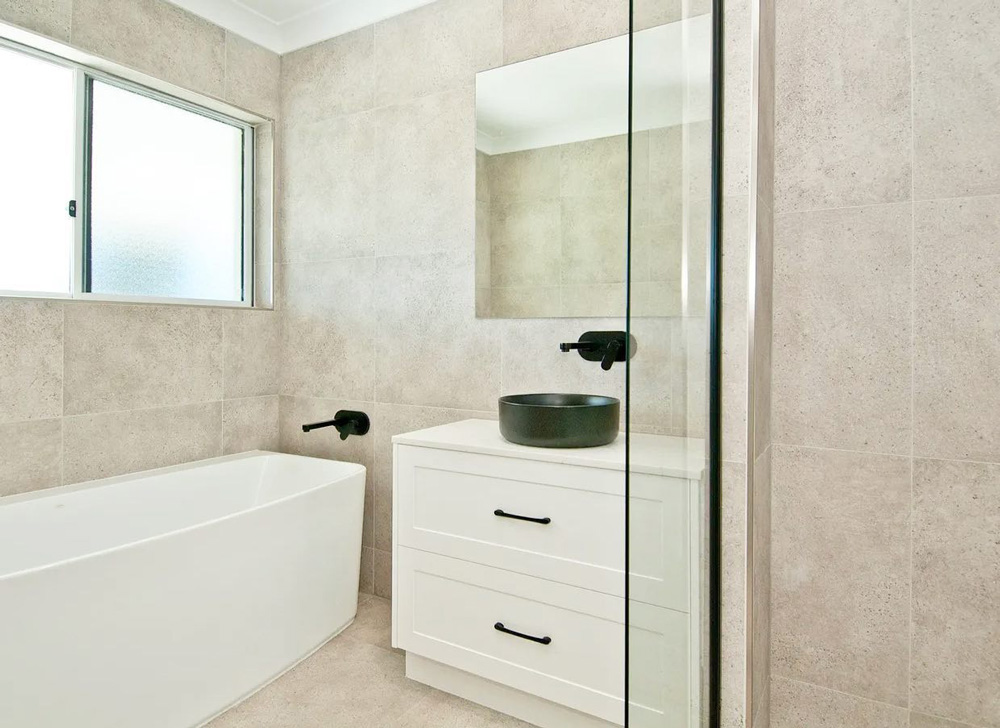
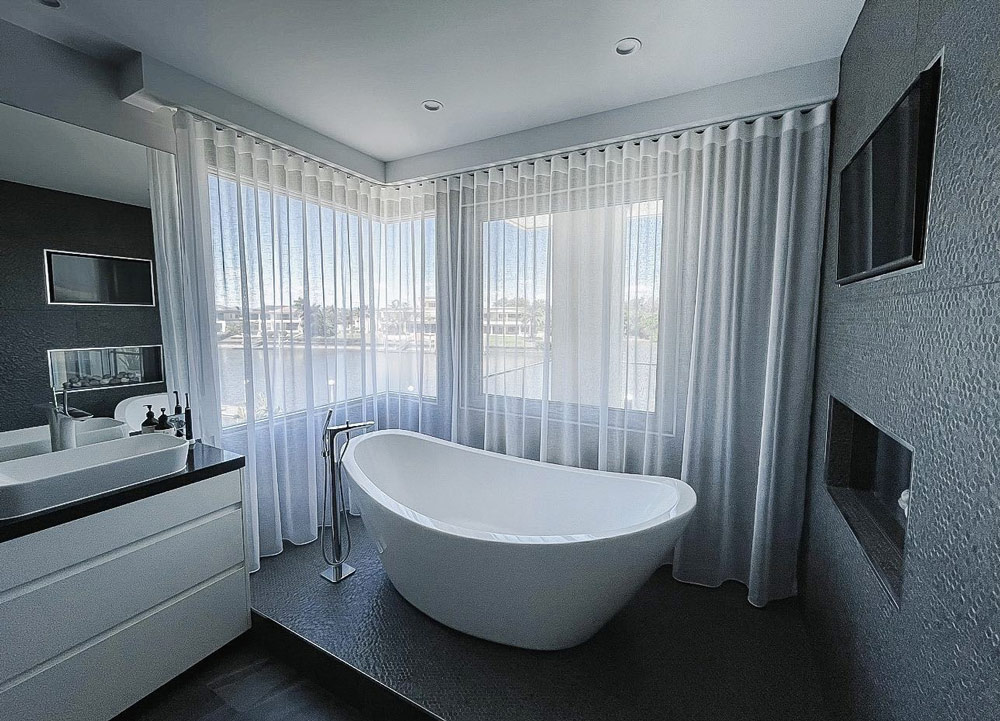
Safety is a key consideration in bathrooms and wet areas, particularly where water is regularly present on the floor. Smooth or highly polished surfaces can become slippery when wet, increasing the risk of slips and falls. Slip ratings provide guidance on how tiles perform underfoot in damp conditions.
Important considerations include:
- P Ratings & Slip Performance Levels
- Matte Or Textured Finishes For Floors
- Higher Grip Tiles In Shower Areas
Selecting tiles with appropriate slip resistance helps support safe daily use without detracting from the overall appearance of the space. Using different finishes for floors and walls is a common approach to balancing safety and design.
Water Absorption & Tile Density Explained
Water absorption rates indicate how much moisture a tile can absorb over time. Tiles with higher absorption levels are more likely to darken, stain or deteriorate when exposed to prolonged humidity. In wet areas, low absorption is essential for maintaining both appearance and performance.
Dense tile options provide:
- Reduced Moisture Penetration
- Improved Structural Strength
- Greater Longevity In Humid Conditions
Porcelain and vitrified tiles are commonly selected for wet areas due to their low absorption rates. Understanding these technical properties helps ensure tiles remain stable and visually consistent over time.
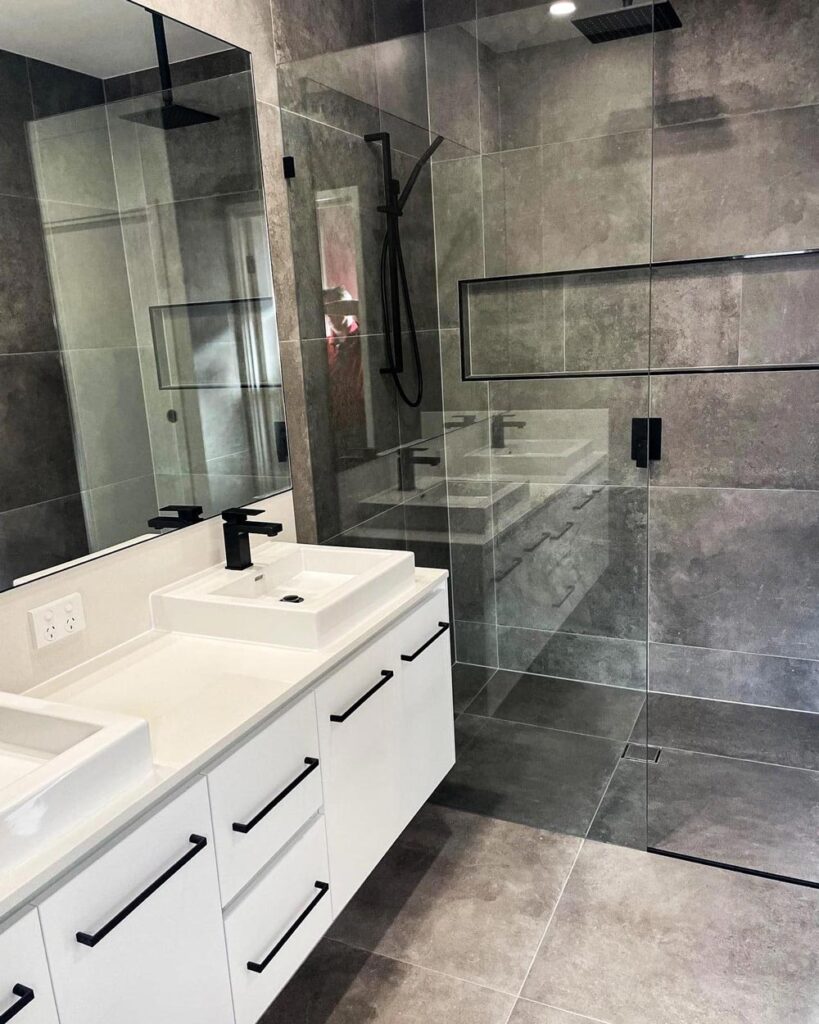
Finishes & Textures For Humid Environments
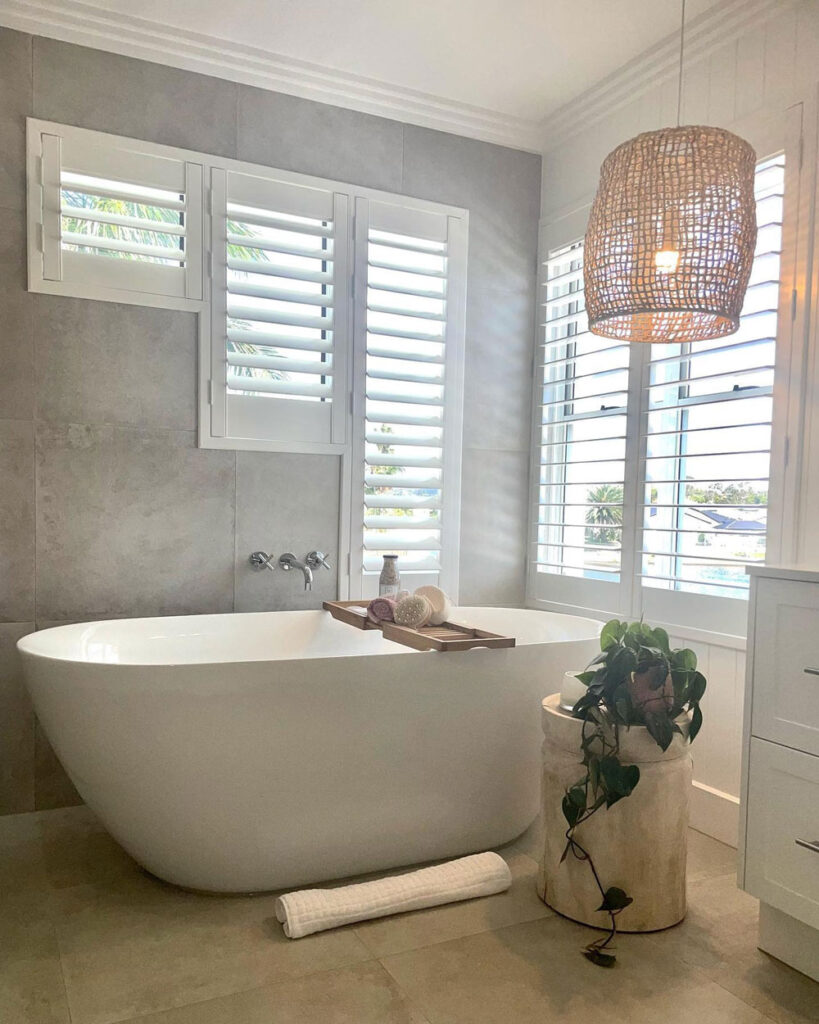
The finish of a tile affects how it feels underfoot, how it reflects light and how it responds to moisture. In wet areas, finishes should support safety and ease of maintenance while complementing the overall design of the space.
Common finish options include:
- Matte Finishes & Reduced Slipperiness
- Honed Surfaces & Soft Satin Appearance
- Textured Finishes & Enhanced Grip
Highly polished finishes may be visually striking but often require additional care in wet areas, particularly on floors. Choosing finishes based on how each area is used helps maintain both comfort and practicality.
Grout Choices & Moisture Management
Grout plays a significant role in the performance of tiled wet areas. While tiles themselves may resist moisture, grout lines can absorb water if not properly selected and maintained. Over time, this can lead to discolouration or mould growth.
Effective grout strategies involve:
- Wet Area Suitable Grout Products
- Proper Sealing & Periodic Resealing
- Regular Cleaning & Visual Checks
Using rectified tiles with narrower grout joints can reduce the total surface area exposed to moisture. This approach supports easier maintenance and contributes to a cleaner, more refined finish.
Design Balance & Practical Tile Selection
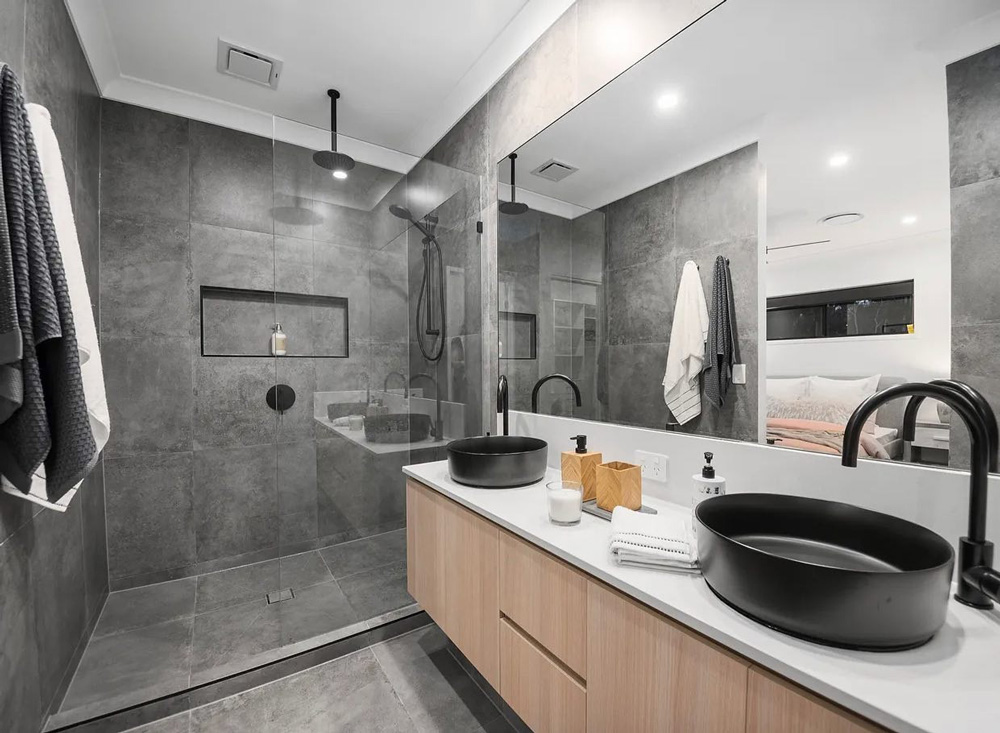
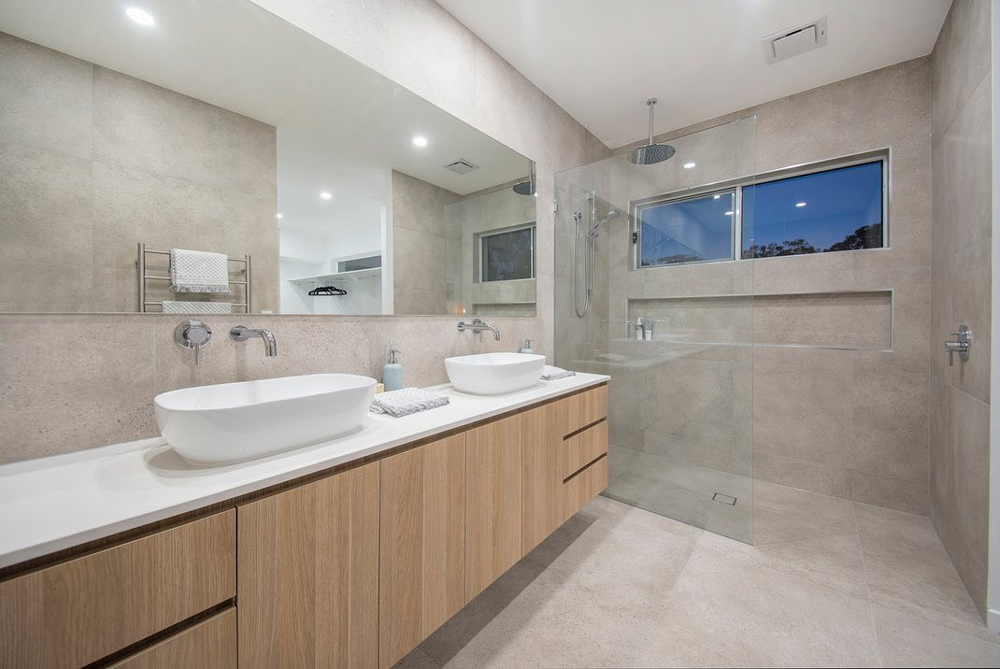
Modern tile options allow practical performance and considered design to work together. Advances in manufacturing mean tiles can replicate the look of natural stone, concrete or timber while offering improved resistance to moisture and wear.
Design focused considerations include:
- Light Tones To Improve Visual Space
- Feature Tiles Used With Restraint
- Coordinated Floor & Wall Tile Choices
By prioritising function first, it becomes easier to explore styles that suit the space without compromising performance. This balance supports wet areas that feel cohesive, durable and comfortable for everyday use.
Book Your Measure & Quote
We at Totally Flooring Gold Coast help homeowners, renovators and builders choose tiles that perform reliably in humid conditions and wet areas. If you are planning a bathroom, laundry or wet area upgrade and want practical guidance tailored to local challenges, get in touch today to book a measure and take the next step with confidence.