
Walk through your kitchen barefoot on a sunny morning and you might not think twice about the tiles underfoot. But look a little closer — at the grout lines that seem slightly darker than they used to be, the section near the sink that’s lost its sheen, or the entryway tiles that feel rougher to the touch despite regular mopping — and you start to notice the cumulative toll that daily life takes on tiled surfaces.
Tile is one of the most durable flooring materials available, but durability doesn’t mean immune to wear. Understanding how and why tile surfaces deteriorate is one of the most practical things a homeowner or property manager can do. Catching early signs of wear gives you the best opportunity to address problems before they escalate into costly repairs or full replacements.
How Foot Traffic Gradually Breaks Down Tile Surfaces
The relationship between foot traffic and tile wear is straightforward in theory but surprisingly nuanced in practice. Every step across a tile surface creates friction, and over time, that friction wears away the glaze or protective layer on the tile’s surface. This is especially noticeable in high-traffic corridors, hallways, and entry points where foot patterns are concentrated in narrow paths rather than distributed across the whole floor.
Common signs of traffic-related wear include:
- A dull or matte appearance in specific pathways across an otherwise glossy floor
- Micro-scratches that catch the light at certain angles
- A subtle roughness that wasn’t present when the tiles were first installed
- Worn edges on tiles positioned at thresholds or doorways
The wear pattern itself can be telling. A strip of dulling that runs from the front door to the kitchen suggests a well-used walkway. Concentrated wear in front of a kitchen sink or stove points to a standing zone rather than a thoroughfare.
Why Kitchens Are Particularly Vulnerable to Tile Deterioration
Kitchens present a unique combination of challenges that accelerate tile wear more than almost any other room in the home. Beyond foot traffic, kitchen floors are subjected to moisture, food spills, grease, dropped utensils, and the legs of chairs and bar stools being repeatedly dragged across the surface.
The combination of moisture and cleaning chemicals is especially damaging over time. Many households use multi-purpose cleaners or diluted bleach on kitchen floors, neither of which is ideal for tile and grout. Acidic cleaners, in particular, can break down grout and strip the sealant from natural stone tiles, leaving the surface exposed and more susceptible to staining.
Contributing kitchen-specific factors include:
- Repeated chair and stool movement scratching the glaze
- Grease infiltrating micro-cracks in unsealed grout
- Steam from cooking settling on tiles and promoting grout discolouration
- Heavy appliances like fridges or dishwashers placing prolonged stress on specific tiles
Bathroom Tiles & the Ongoing Battle with Moisture
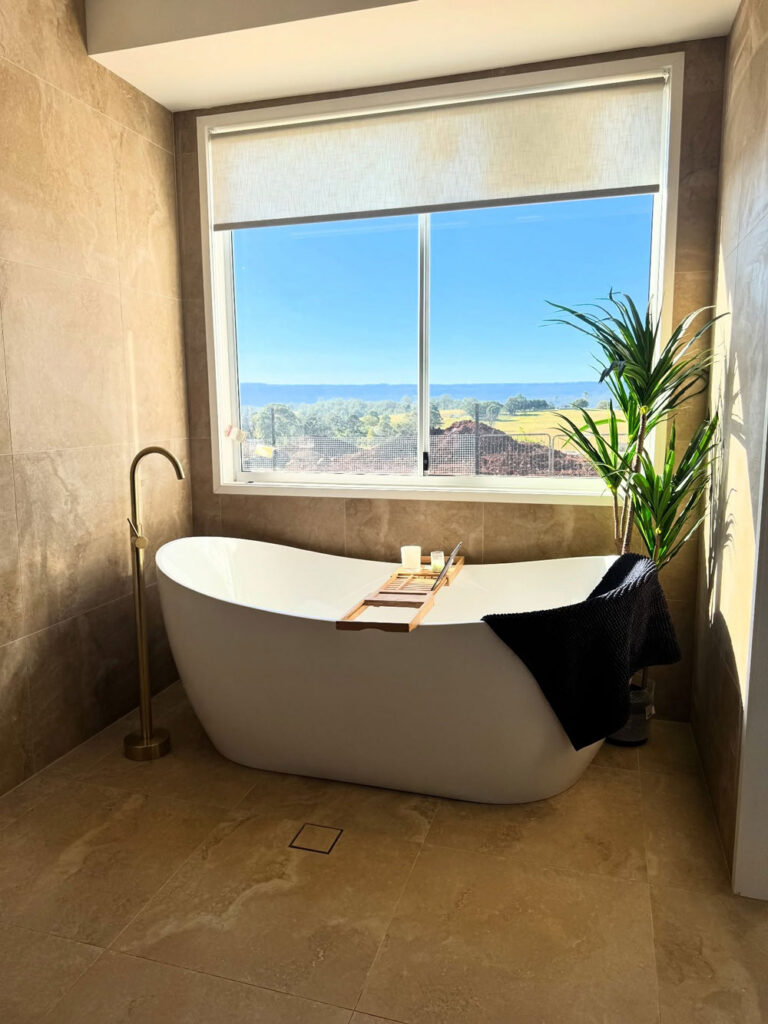
Bathrooms might be smaller than other rooms, but they experience some of the most intense wear conditions of any tiled space in a home. Constant humidity, fluctuating temperatures, and direct water exposure create conditions where grout and tile adhesion are under ongoing stress.
Grout erosion is one of the most common issues in bathrooms. Over time, water penetrates microscopic gaps in grout joints, and when combined with soap residue and cleaning products, this creates a slow process of chemical and physical degradation. The grout begins to soften, crack, or crumble, which in turn allows moisture to reach the substrate beneath the tile — a problem that can eventually lead to tiles shifting or lifting.
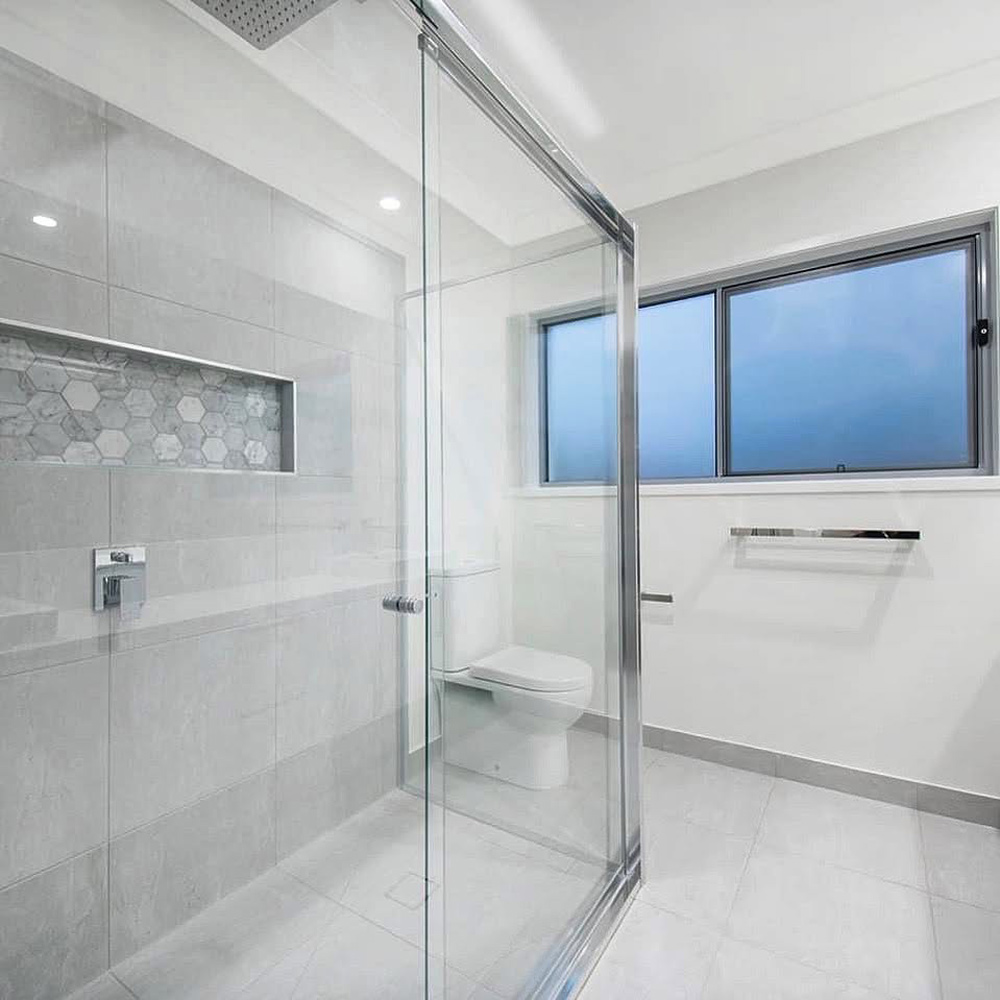
Shower recesses and wet areas are particularly susceptible to:
- Grout discolouration from mildew and soap scum build-up
- Silicone joint failure at wall-to-floor junctions
- Surface etching on natural stone from shampoo and body wash acidity
- Tile movement caused by substrate moisture damage
How Different Tile Types Wear Under Pressure
Not all tiles are created equal when it comes to long-term durability, and understanding the material you’re working with helps set realistic expectations for maintenance and longevity.
Ceramic tiles are one of the most common choices in residential settings. They are cost-effective and relatively easy to install, but their softer composition makes them more prone to surface scratching and chipping compared to denser alternatives. The glaze on ceramic tiles provides a protective barrier, but once scratched through, the porous body beneath absorbs stains readily.
Porcelain tiles are fired at higher temperatures and have a much lower water absorption rate than ceramic, making them better suited for wet areas and high-traffic zones. They are harder to scratch, but their density also makes them more susceptible to cracking under point loads (such as a heavy item being dropped from height).
Natural stone tiles — including travertine, marble, slate, and limestone — are prized for their appearance, but they require more consistent maintenance than manufactured tiles. They are porous by nature and highly reactive to acidic substances, which can cause surface etching and long-term dulling if not properly sealed and maintained.
Key distinctions to keep in mind:
- Ceramic: prone to glaze scratching and chipping
- Porcelain: durable but not immune to cracking under impact
- Natural stone: beautiful but requires regular sealing and pH-neutral cleaners
The Role of Cleaning Methods in Accelerating Wear
Many homeowners unknowingly accelerate tile wear through well-intentioned cleaning habits. The problem isn’t a lack of effort — it’s using the wrong tools or products for the tile type in question.
Abrasive scrubbing pads, steel wool, and stiff-bristled brushes are among the most common culprits. These materials can scratch and dull a glazed surface over repeated use, particularly on ceramic tiles. Highly acidic or alkaline cleaning products can strip grout sealant, etch natural stone, and degrade the surface finish of polished porcelain.
Problematic cleaning practices that contribute to accelerated wear:
- Using undiluted bleach or vinegar on grout or stone tiles
- Steam cleaning tiles that are not rated for high heat exposure
- Applying oil-based cleaners that leave residue and attract dirt
- Skipping the rinse step, which allows cleaning product to sit and react with the tile surface
Switching to pH-neutral tile cleaners and soft microfibre mops is one of the simplest changes a homeowner can make to extend the life of their tiled surfaces.

Grout Erosion: Small Problem, Large Consequences
Grout is often overlooked in discussions about tile maintenance, but it plays a critical structural and protective role. Beyond filling the joints between tiles, grout prevents moisture from reaching the substrate, keeps tiles locked in position, and contributes to the overall aesthetic of the floor.
When grout begins to erode — whether through chemical exposure, physical abrasion, or age — the consequences extend well beyond cosmetic concerns. Loose grout allows tiles to flex slightly underfoot, which over time can crack tiles or cause them to become fully dislodged. In wet areas, eroded grout is one of the primary pathways for water to infiltrate and cause substrate damage.
Signs that grout is in poor condition include:
- Visible crumbling or powdering at the joints
- Grout that feels soft or spongy when pressed
- Water seeping into joints rather than running off the surface
- Staining that doesn’t respond to regular cleaning
Repointing or regrouting affected areas early is significantly more cost-effective than addressing substrate damage caused by prolonged moisture infiltration.
When Surface Wear Signals the Need for Professional Assessment
There is a point in the wear cycle where DIY maintenance and regular cleaning are no longer sufficient. Identifying that point requires knowing what to look for — and being honest about what the surface is telling you.
Persistent dulling that doesn’t respond to professional-grade cleaning, tiles that have begun to hollow out (producing a different sound when tapped), cracked or chipped tiles in load-bearing areas, and widespread grout failure are all indicators that the floor requires professional assessment rather than another round of maintenance.
Resurfacing is a viable option in some circumstances, particularly where the tile substrate is intact but the surface finish has deteriorated significantly. However, where the integrity of the installation is compromised — through adhesion failure, substrate moisture damage, or structural cracking — tile replacement is typically the more practical long-term solution.
Maintenance Strategies That Extend Tile Life
Proactive maintenance is far less expensive than reactive repair, and a consistent approach to tile care can meaningfully extend the useful life of a tiled surface. The fundamentals are straightforward, though they do vary based on the tile type and the conditions in each area of the home.
Practical strategies for extending tile longevity:
- Seal grout annually in wet areas and high-traffic zones to maintain its moisture resistance
- Use appropriate cleaning products matched to the tile material — pH-neutral for stone, gentle alkaline for ceramic and porcelain
- Address chips and cracks promptly to prevent moisture ingress and further propagation
- Place felt pads under furniture legs and avoid dragging heavy items across tiled floors
- Inspect grout and silicone joints in bathrooms and kitchens at least once a year for early signs of failure
- Use entrance mats at external doorways to reduce the volume of grit and debris tracked across internal tiles
Consistency matters more than intensity when it comes to tile maintenance. A few small habits applied regularly will do more for a tiled surface than periodic deep cleans interspersed with neglect.
Taking Action Before Minor Wear Becomes Major Damage
At Totally Flooring, we understand that tiled surfaces in Gold Coast homes face a particular set of challenges. The coastal climate, combined with the high humidity common in kitchens and bathrooms, creates conditions where grout and tile surfaces can deteriorate more quickly than in drier inland environments. Salt air exposure in properties closer to the coastline is an additional factor that affects both grout integrity and the surface finish of some tile materials.
Whether you’ve noticed the early signs of wear and want to address them proactively, or you’re dealing with more significant deterioration that requires professional attention, we’re here to help. Our team works with homeowners and property managers across the area to assess tile condition, carry out grout repairs, advise on suitable tile options, and complete installations that are built to last.
If you’re searching for tiles near me or looking for guidance on tiles on the Gold Coast, reach out to us directly. We’d be glad to inspect your existing surfaces, talk through your options, and help you make an informed decision — before small signs of wear turn into larger problems.
Get in touch with us today to book a consultation or ask any questions about your tiled spaces.