
Choosing tiles for an outdoor area often feels deceptively simple. The colours look right, the finish suits the style of the home and everything appears perfect under showroom lighting. Then the first heavy rain arrives, or water from the pool finds its way across the surface, and suddenly the space behaves very differently. Outdoor areas demand more from a tile than appearance alone, which is why selecting the right surface is one of the most important decisions homeowners and renovators make when planning exterior spaces.
For those looking for tile options, understanding slip resistance early can prevent costly mistakes and long-term safety concerns. Slip-resistant tiles influence how confidently people move through outdoor areas, how well surfaces cope with changing conditions and how comfortably the space functions year-round. From alfresco zones to pool surrounds, the right choice supports both safety and design without compromise.
Why Outdoor Areas Demand A Different Approach
Outdoor environments place unique pressures on tiled surfaces. Exposure to rain, humidity and temperature changes means tiles must perform consistently in conditions that fluctuate throughout the day and across seasons.
Slip resistance becomes especially important outdoors because moisture is often unavoidable. Even covered areas can become slick from condensation or tracked water. Choosing tiles designed for external use helps reduce risks while maintaining comfort underfoot.
When outdoor tiles are fit for purpose, they contribute to a safer and more functional space by:
- Reducing the likelihood of slips in wet conditions
- Supporting confident movement across entertaining areas
- Maintaining surface integrity despite weather exposure
This practical performance is just as critical as visual appeal when selecting outdoor tiles.
Making Sense Of Slip Resistance Ratings
Slip resistance ratings exist to guide buyers, not overwhelm them. These ratings are developed through standardised testing to indicate how a tile performs underfoot in different scenarios. Some ratings assess barefoot grip in wet conditions, while others measure traction when wearing footwear on inclined surfaces. Understanding which rating applies to your intended use makes product comparisons far more meaningful.
Key things to keep in mind when reviewing ratings include:
- Higher ratings generally indicate better slip resistance
- Outdoor areas usually require stronger grip than interiors
- Different spaces may need different minimum ratings
A knowledgeable supplier can help interpret these ratings in practical terms rather than technical jargon.
Selecting Materials That Suit Exterior Conditions
Material choice plays a significant role in how a tile behaves outdoors. Some materials naturally provide better grip and durability, while others rely on surface treatments to improve performance. Porcelain is widely used for outdoor applications due to its density and low water absorption. Natural stone can also perform well when finished appropriately. Ceramic tiles may be suitable for certain outdoor areas when specifically manufactured for external use.
When comparing materials, it helps to consider:
- How the tile reacts when wet
- Resistance to temperature changes
- Long-term durability under constant exposure
Choosing the right material sets the foundation for a surface that performs well over time.
How Surface Texture Influences Safety
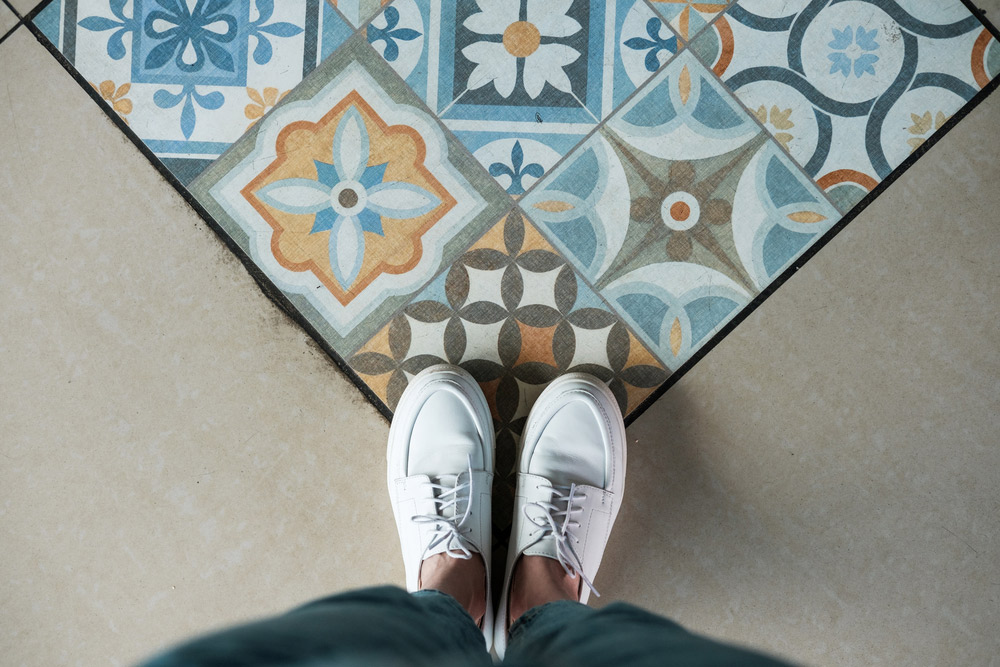
Surface finish is one of the most influential factors in slip resistance. Highly polished tiles may look striking but often lack the grip required for outdoor use. Matte and textured finishes tend to perform better when moisture is present.
Modern outdoor tiles use subtle textures rather than aggressive roughness. This approach improves traction while remaining comfortable for barefoot use, particularly around pools and entertaining areas.
Important considerations around surface texture include:
- Micro-textures that enhance grip without discomfort
- Finishes designed to reduce surface slickness
- Consistency across wet & dry conditions
The right finish ensures safety features are integrated seamlessly into the overall design.
Matching Tiles To Different Outdoor Zones
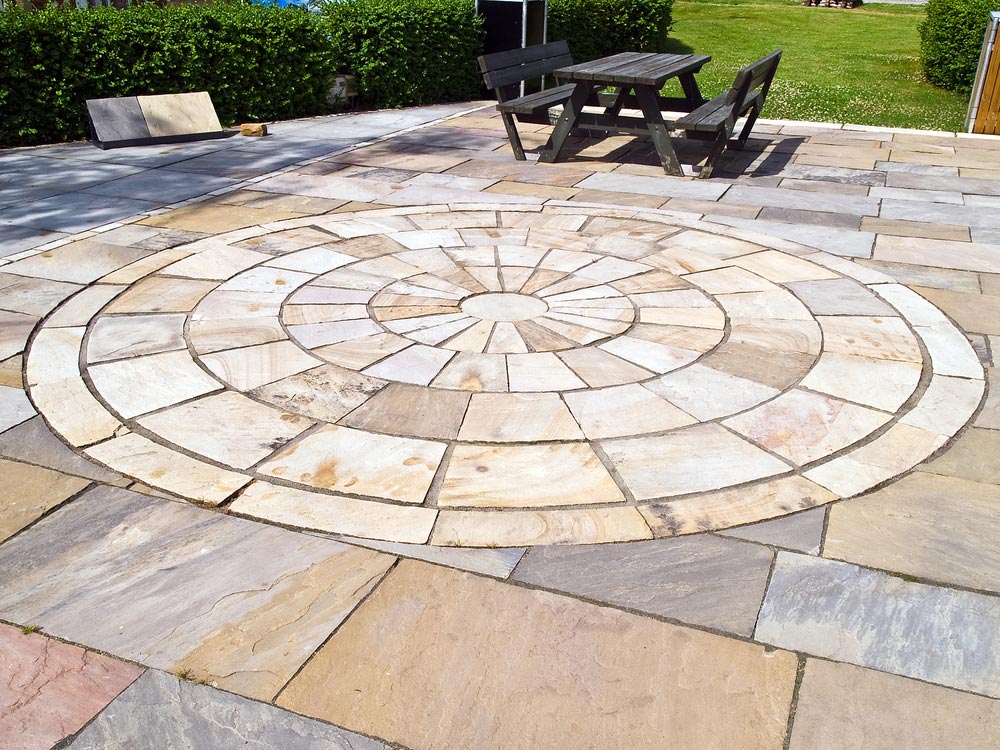
Not all outdoor spaces are used in the same way, and tile selection should reflect these differences. A covered alfresco area has different requirements to a pool surround or garden pathway. High-traffic zones benefit from tiles that maintain grip even as they wear. Areas exposed to frequent water need surfaces designed to handle constant moisture. Entry points must manage transitions between indoor and outdoor conditions.
When selecting tiles for specific areas, consider:
- Frequency of water exposure
- Volume of foot traffic
- How spaces connect to one another
Tailoring tile choices to each zone improves both safety and longevity across the property.
Balancing Practical Performance With Design
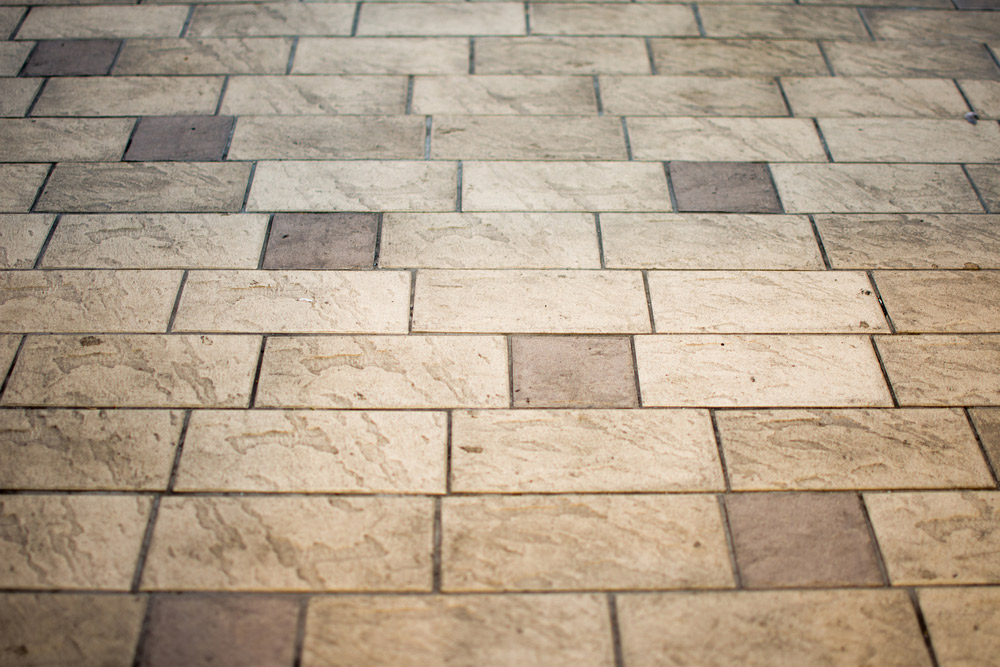
Slip resistance does not mean compromising on aesthetics. Advances in tile manufacturing allow outdoor tiles to replicate stone, concrete and timber while still meeting safety requirements. Design choices such as colour, format and layout influence how an outdoor space feels. Lighter tones can reduce heat absorption, while larger tiles can create a sense of openness. When combined with slip-resistant finishes, these elements support both function and style.
Design-focused considerations include:
- Visual flow between indoor & outdoor spaces
- Tile size suited to the scale of the area
- Colours that manage glare & surface temperature
Thoughtful design ensures outdoor tiles enhance the space rather than dominate it.
Installation Details That Affect Slip Performance
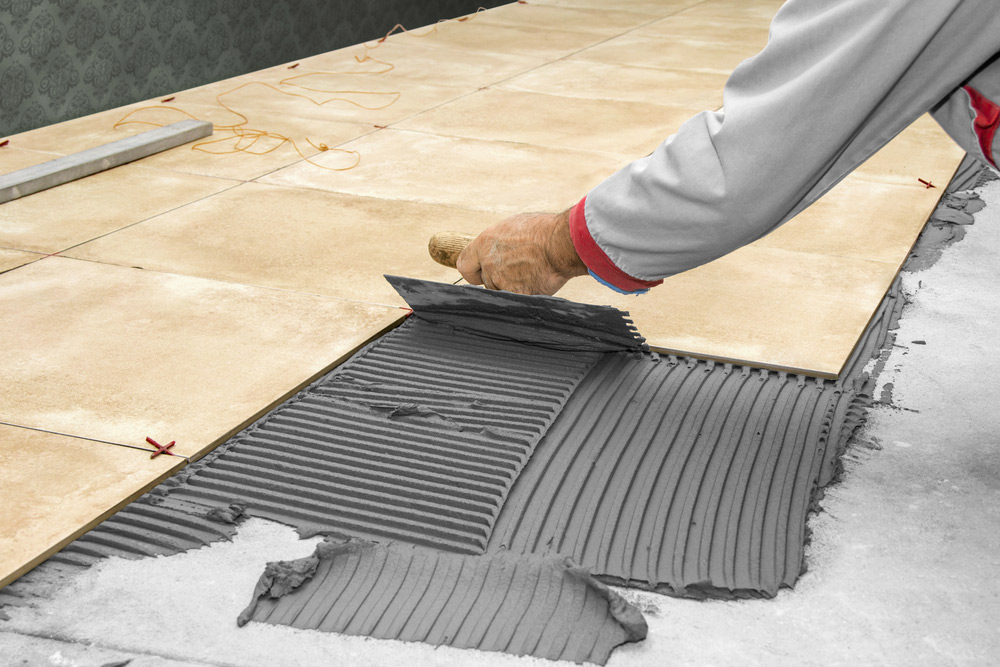
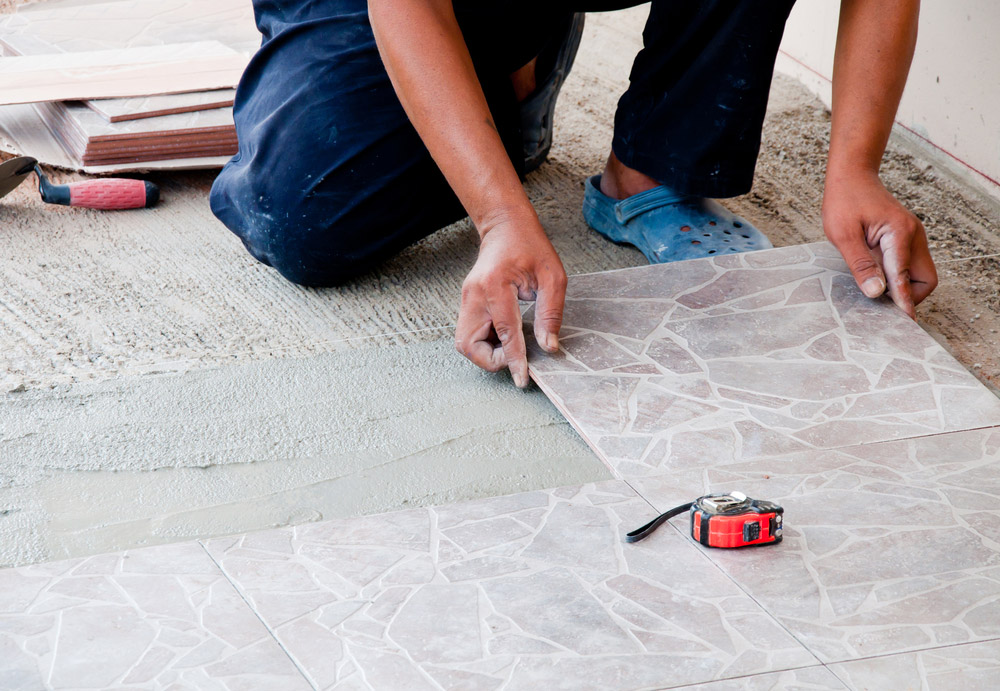
Even the most suitable tile can underperform if installation is not handled correctly. Outdoor installations require careful attention to drainage, substrate preparation and spacing. Correct falls help water move away from the surface, reducing pooling that can increase slip risk. The right adhesives and grouts support long-term performance under changing conditions.
Installation elements that matter include:
- Proper drainage & surface falls
- Outdoor-rated adhesives & grouts
- Accurate alignment & spacing
Quality installation ensures the tile’s built-in safety features work as intended.
Maintaining Slip Resistance Over Time
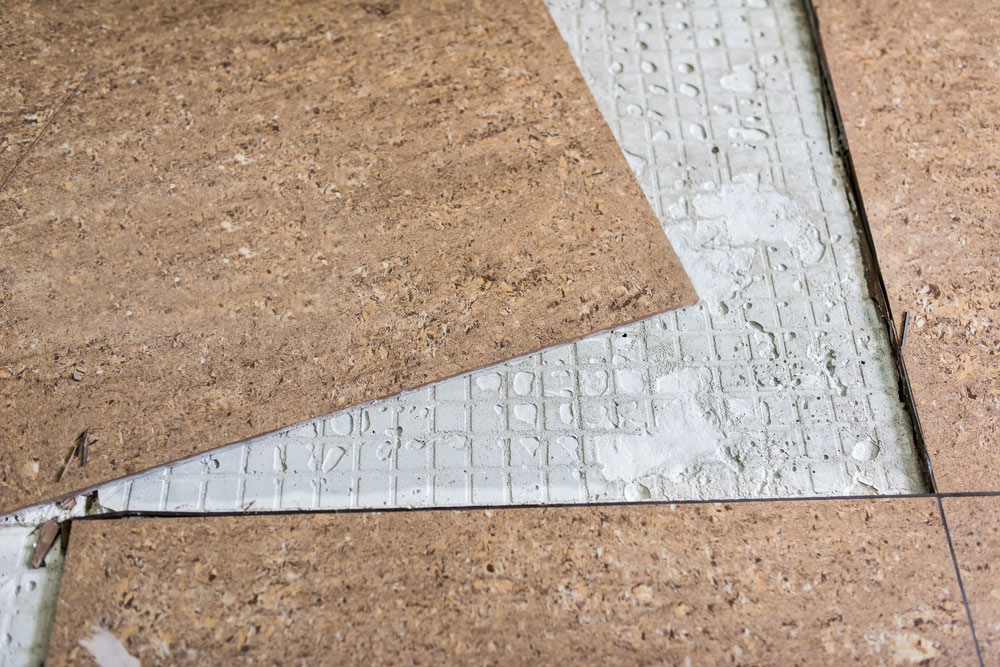
Slip resistance is not static. Dirt, residue and wear can reduce grip if surfaces are not maintained correctly. Outdoor tiles benefit from regular cleaning methods suited to their material and finish. Using appropriate products helps preserve surface texture without damaging the tile. Monitoring high-use areas allows issues to be addressed before they affect safety.
Long-term maintenance considerations include:
- Cleaning methods that protect surface grip
- Avoiding sealers that create slick finishes
- Periodic checks of high-traffic zones
Consistent maintenance helps outdoor tiles perform safely throughout their lifespan.
Choose Outdoor Tiles With Confidence
We at Totally Flooring help homeowners and renovators navigate the practical and design considerations of choosing outdoor tiles. From understanding slip resistance to selecting materials and finishes that suit real-world conditions, our team provides guidance tailored to each project. If you are planning an outdoor upgrade and want expert advice or wish to explore tile options in person, contact us to discuss your needs, book a consultation or speak with our specialists about creating safe, durable outdoor spaces on the Gold Coast.