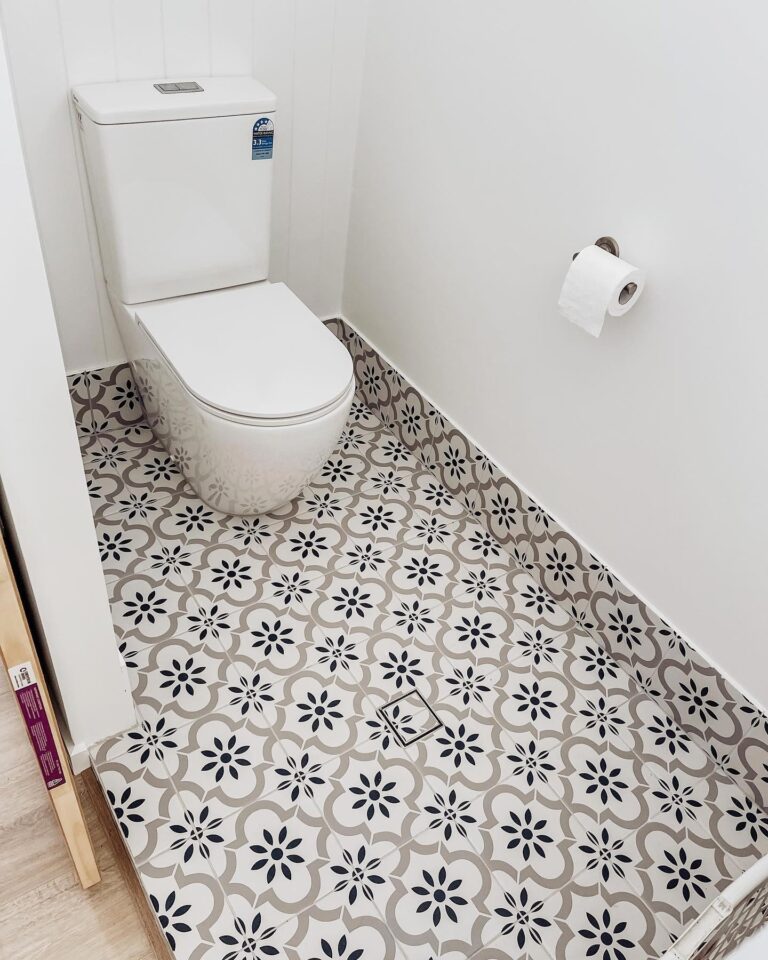

Choosing tiles Gold Coast homeowners will love starts with timing, not just style. Locking in a tile selection before your design details, measurements and finishes are confirmed is one of the most common – and costly – renovation mistakes. Here’s what to get right before you commit.
Why Timing Matters When Choosing Tiles
Tiles are often one of the first big decisions renovators make, simply because they’re exciting to shop for. But a tile chosen in week one of a renovation has to work with decisions that haven’t been made yet – cabinetry finishes, paint colours, benchtop materials, even the direction of natural light through the room.
A tile that looks perfect on its own in a showroom can clash badly once it’s sitting next to a cabinet colour or splashback that was chosen months later. Getting the sequence right protects the whole design, not just the floor or wall.
What Happens When You Choose Tiles Too Early?
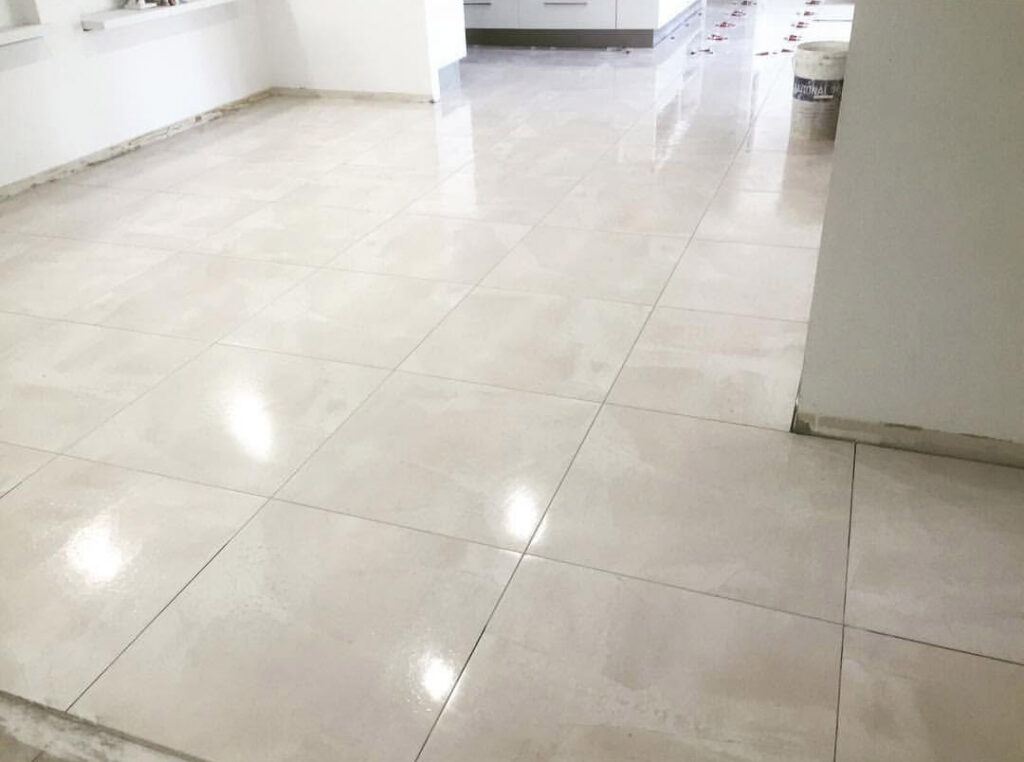
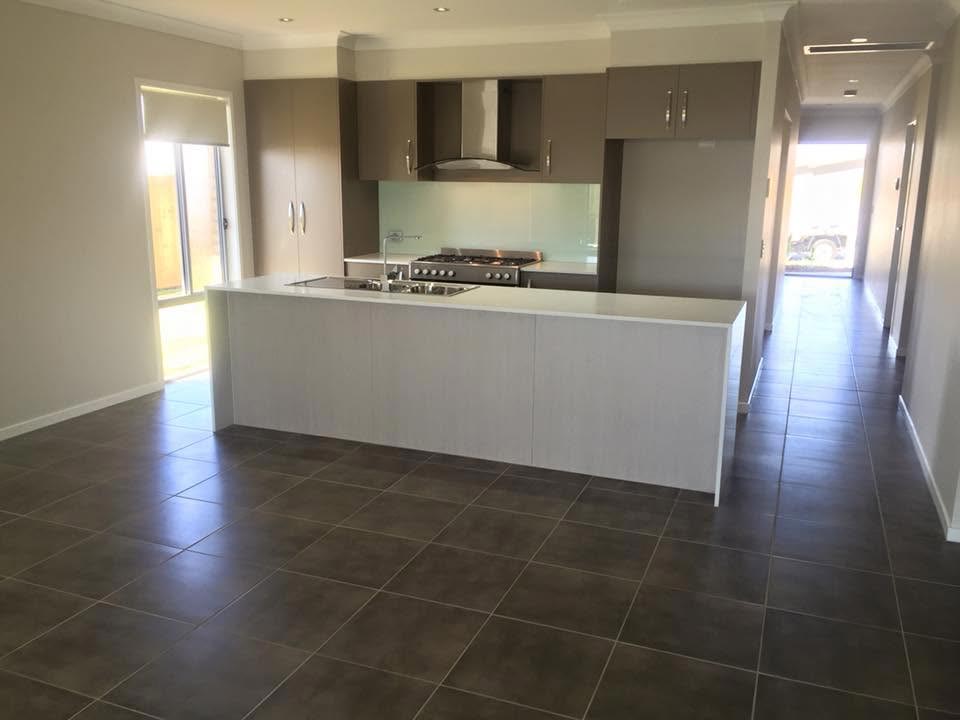
Selecting tiles before the rest of the project is locked in creates a ripple effect. Here are the most common consequences:
- Mismatched tones & undertones once cabinetry, benchtops or paint colours are finalised
- Incorrect quantities ordered before final measurements or layout are confirmed, leading to shortages or wasted stock
- Design conflicts between the tile & other finishes chosen later in the project
- Costly reordering if a discontinued batch or colour run means the original tile is no longer available
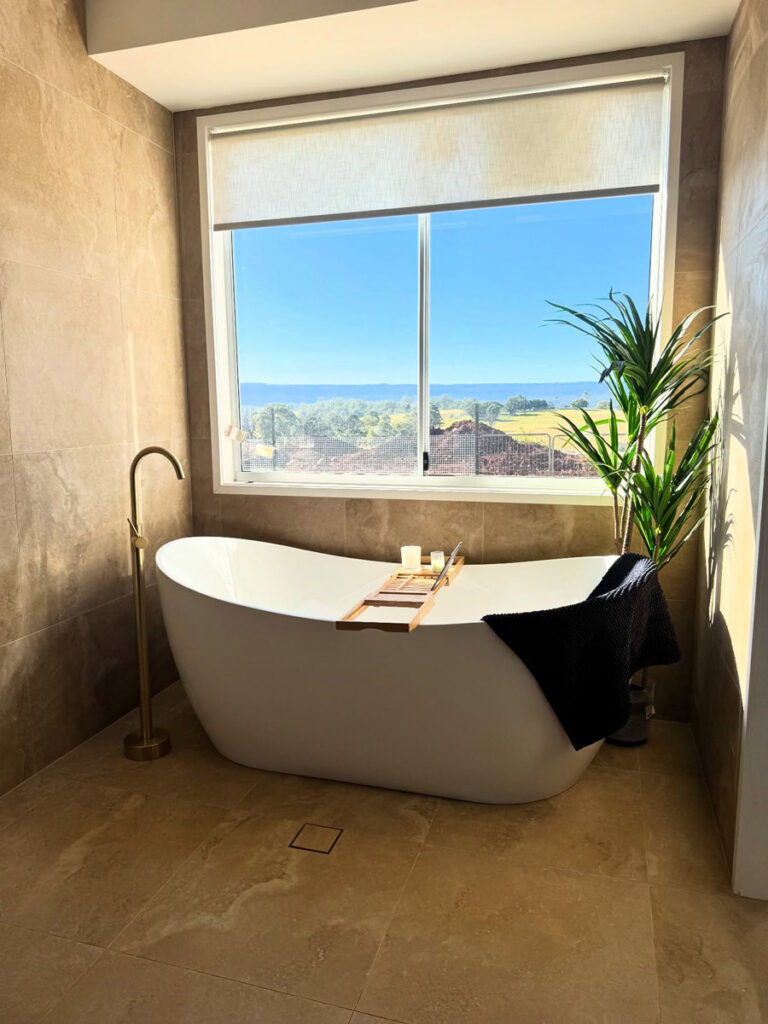
For example, a renovator might fall in love with a warm beige porcelain tile in the first week of planning, only to select a cool-toned benchtop three months later. The two finishes technically ‘match’ on paper but look disjointed once installed side by side.
How Do Lighting & Cabinetry Changes Affect Tile Selection?
Lighting changes everything about how a tile reads in a room. A tile chosen under showroom lighting can look completely different under a kitchen’s pendant lights or a bathroom’s natural window light. North-facing rooms on the Gold Coast tend to wash tiles out with bright, warm light, while south-facing rooms can make the same tile look cooler and greyer than expected.
Cabinetry decisions matter just as much. Kitchen and bathroom cabinets are usually finalised after tiles are chosen in a rushed timeline, which means the tile has to be forced to work with a cabinet colour rather than being chosen to complement it. Confirming cabinetry finishes – or at least a firm colour direction – before locking in tiles avoids this mismatch entirely.
Why Should You Wait for Final Measurements Before Ordering Tiles?
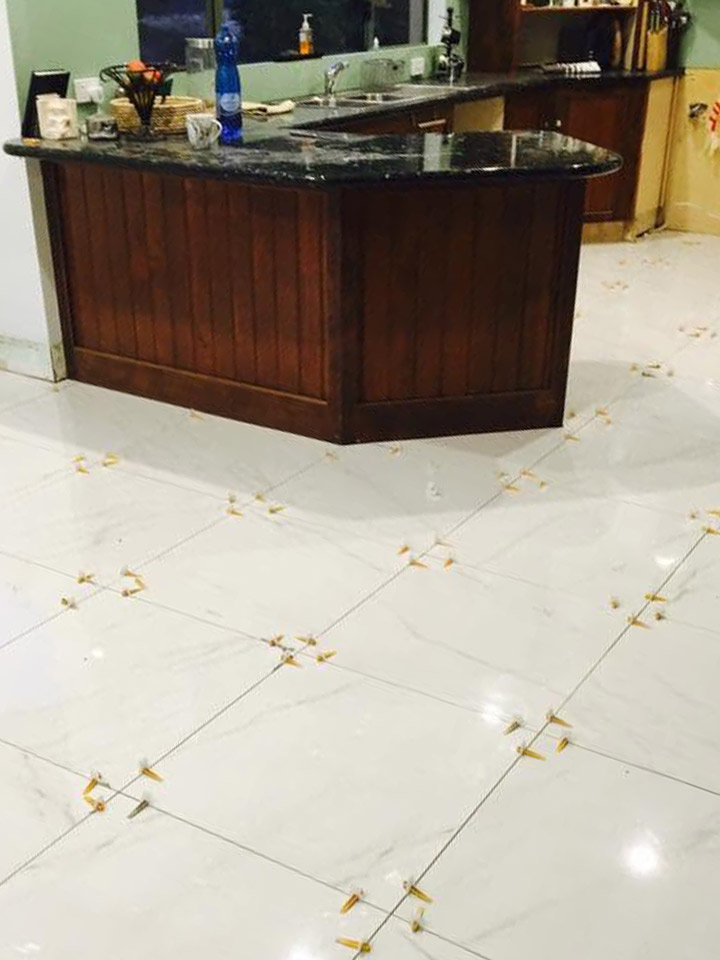
Ordering tiles before a space is fully measured and the layout is confirmed is one of the fastest ways to end up with the wrong quantity. Wastage allowances, pattern direction, feature strips and cut tiles around fixtures all affect how many square metres are actually needed.
A layout change, such as switching from a straight lay to a herringbone pattern or adding a niche in a shower, can increase wastage significantly. If tiles were ordered against the original measurements, the batch may run short, and a later top-up order isn’t guaranteed to match the original run exactly. Tile batches vary slightly between production runs, so even the same product code can shift in shade over time.
Waiting until measurements, layout and any structural changes are locked in gives a far more accurate order and reduces the risk of a shortfall.
How Do You Coordinate Tile Choices With Other Finishes?
Tiles rarely sit in isolation. They’re viewed alongside benchtops, cabinetry, grout, flooring transitions and even door and window frames. A tile chosen without reference to these other elements can end up fighting for attention instead of working together.
Some practical coordination points worth confirming before finalising a tile:
- Benchtop material & colour – especially where kitchen splashback tiles meet the benchtop edge
- Flooring transitions – how the tile will meet timber, hybrid or carpet flooring in adjoining rooms
- Grout colour – a contrasting grout can dramatically change how a tile pattern reads, while a matching grout creates a more seamless look
- Room functionality – wet areas, high-traffic zones & outdoor spaces each call for different slip ratings & porosity levels
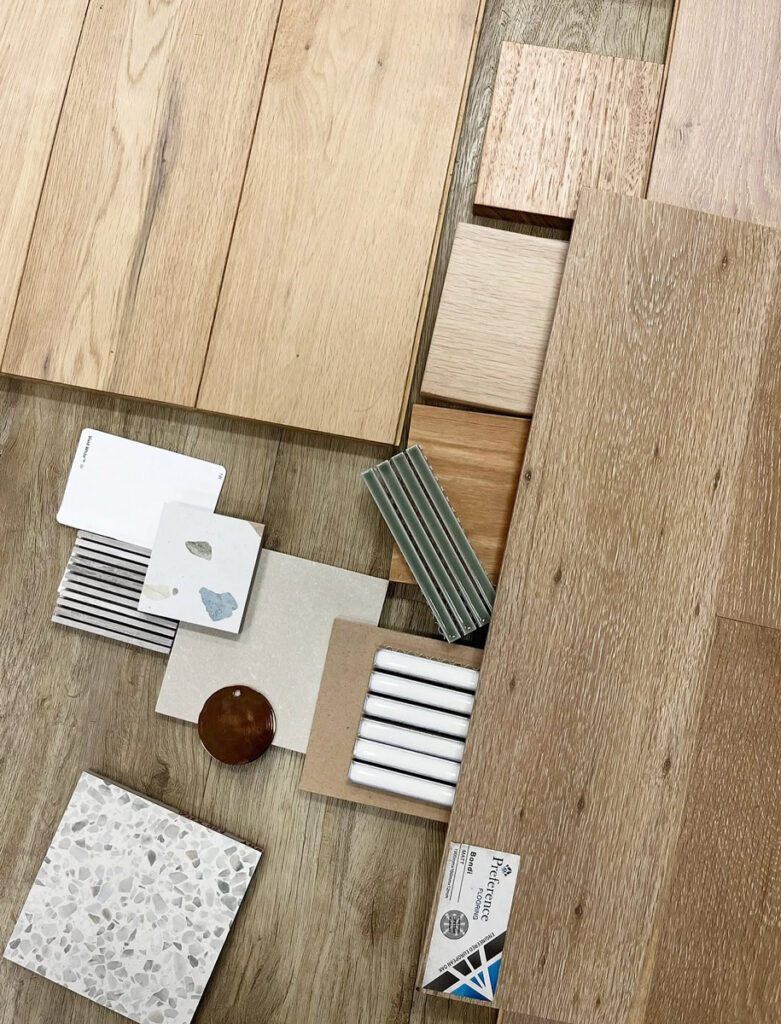
Bringing samples of benchtop offcuts, paint swatches or cabinetry finishes into a tile store makes this coordination far easier than trying to match everything from memory.

Why Sample Testing in Your Actual Space Matters
A tile can look completely different in a showroom than it does in a home. Showroom lighting is designed to make products look their best, and tiles are often displayed in isolation without the surrounding colours a real room will have.
Taking a physical sample home and viewing it at different times of day – morning light, afternoon glare, evening lamp light – gives a much more accurate picture of how the tile will actually perform in the space. It’s also worth placing the sample near existing or planned fixtures, cabinetry doors or paint swatches to check for undertone clashes before committing to a full order.
This step is especially important for larger-format or rectified tiles, where the visual impact of the grout lines and finish becomes more obvious once laid across a full floor rather than viewed as a single sample piece.
When is the Right Time to Choose Tiles in a Renovation Timeline?
According to industry best practice, tile selection should sit after the major design decisions are locked in but before final trade scheduling begins. A practical sequence looks like this:
- Confirm the overall design direction, including cabinetry style & colour palette
- Finalise benchtop material & colour
- Lock in paint colours or at least a firm colour direction
- Confirm final room measurements & layout, including any structural changes
- Select tiles, taking samples home to test against other finishes
- Confirm final quantities & place the order with enough lead time before installation
Getting professional advice at this stage helps align tile selection with construction milestones, rather than treating it as an early, standalone decision. A good tile supplier will ask about cabinetry, benchtops and layout before recommending a range, rather than just showing what’s popular.
Choosing tiles on the Gold Coast comes down to sequencing the decision correctly – not rushing it. Visiting a showroom with samples of your other finishes in hand, and waiting until measurements and layout are confirmed, avoids the reordering, mismatches and wastage that come from locking in a tile too soon. Contact Totally Flooring today to learn more.
Frequently Asked Questions
When should I choose tiles in a renovation?
Tiles should be selected after cabinetry, benchtop and paint decisions are locked in, and after final room measurements and layout are confirmed. Choosing too early risks mismatched tones and incorrect quantities.
Why do my tile samples look different at home than in the showroom?
Showroom lighting is designed to flatter products, while home lighting varies throughout the day. Testing a sample in your own space under different lighting conditions gives a far more accurate result.
How much extra should I order to allow for wastage?
Wastage allowances depend on the layout, pattern and cuts required around fixtures, so it’s best to confirm this with your supplier once measurements and layout are finalised rather than estimating early.
Can I order more tiles later if I run short?
It’s not guaranteed. Tile batches vary slightly between production runs, so a later top-up order may not match the original tile’s shade exactly.
What's the difference between rectified and non-rectified tiles?
Rectified tiles are cut after firing for a precise, uniform edge, allowing tighter grout lines and a sleeker finish. Non-rectified tiles can vary slightly in size within Australian Standards tolerances and typically use wider grout joints.
Should I match my grout colour to my tiles?
It depends on the look you want. A matching grout creates a seamless, uniform appearance, while a contrasting grout highlights the tile pattern and layout more distinctly.